This article is a CNCGLASS technical note and performance summary on the density and polymer composition of the CNCGLASS ionoplast interlayer. Two film samples were tested: specific gravity was measured at 0.965 by ASTM D792-13 Method B, and infrared spectroscopy to GB/T 6040-2002 identified both samples as a sodium ionomer of an ethylene-methacrylic acid copolymer. The note presents these results for material identity, lamination calculations and quality control, and states that it is not a third-party test certificate or a certificate of conformity.
CNCGLASS-Selecting-Ionoplast-for-Safer-Glass
This article explains how to select an ionoplast interlayer for safer glass, treating safety as residual behavior after the first crack—fragment retention and, where required, leftover load capacity. Thickness should be set with the engineer, then optics, aging, process capability, and budget, without inventing a price.
CNCGLASS-Professional-Interlayer-Training
This article describes what professional interlayer training looks like at CNC Ucolin Interlayer Technology Co., Ltd. The program runs through specifications, laboratory practice, the production line, and the customer’s laminating hall, and it ends with written, practical, and spoken tests rather than a decorative academy name.
CNCGLASS-Practical-Guide-to-Interlayer-Knowledge
This article is a practical guide to interlayer knowledge that can be used on a job. It maps four common families—PVB, EVA, ionoplast (SGP), and TPU—and the distinct duty of each, then argues for plain language, honest limits, and describing constructions and cycles in terms a plant can follow rather than slogans.
CNCGLASS-Continuous-Innovation-and-Better-Service
This article argues that continuous innovation and better service, for an interlayer plant, are a habit of listening to lamination problems, tightening grades and guidance, and using digital tools without replacing technical judgment. Modest practices—a clear cycle explanation, a prompt review of a defect photograph, an up-to-date product page—matter more than slogans. Automated drafting can speed support notes, but a person remains responsible for what is published and promised.
CNCGLASS-Choosing-High-Quality-EVA-Film
This article explains how to choose high-quality EVA film for better performance. Quality is treated as a set of measured traits—mechanics, optics, weathering, and documented composition—not a feeling about a sample. The piece advises reading the data sheet, checking supplier consistency and test reports, speaking with plants that already run the grade, and laminating a short trial on the equipment that will make the job before a large order.
CNCGLASS-Thin-Film-PV-in-the-Solar-Energy-Sector
This article compares thin-film photovoltaic modules with crystalline wafer products in the solar sector. Thin film can offer lower mass, a more uniform look, or a better building-integrated detail, while crystalline modules generally lead on efficiency and installer experience. The piece argues that moisture at the edge, encapsulants, and field references in a similar climate matter more than slogans or unverified growth forecasts.
CNCGLASS-Thin-Film-PV-Changing-Solar-Installations
This article explains how thin-film photovoltaic modules are changing solar installations. Coatings deposited on glass or foil can be lighter and sometimes larger than wafer modules, which matters on limited-load roofs and in building-integrated façades. It reviews the main thin-film families and notes that encapsulants, edge seals, and a dry, electrically safe package still decide whether those advantages last outdoors.
CNCGLASS-Smart-Film-Applications-in-Commercial-Spaces
This article looks at switchable glass in commercial interiors as a practical tool, not a showpiece. Laminated with EVA, PDLC glass can stay clear for collaboration and daylight or frost on demand for privacy in offices, meeting rooms, retail, and hospitality. The piece stresses a clean installation, a reliable electrical connection, and realistic claims: on-demand privacy and fragment retention come first; energy savings depend on how the glass is actually controlled.
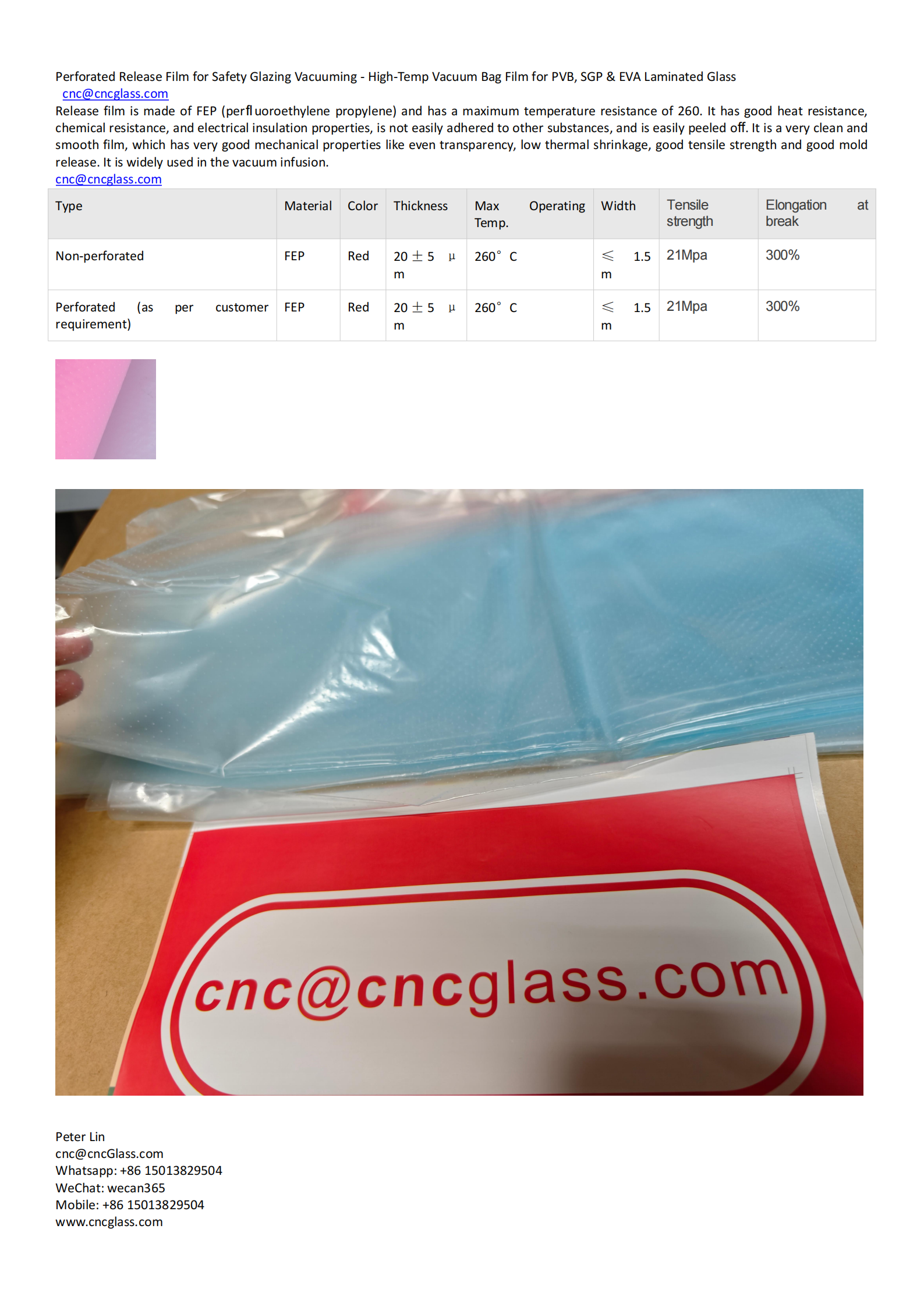
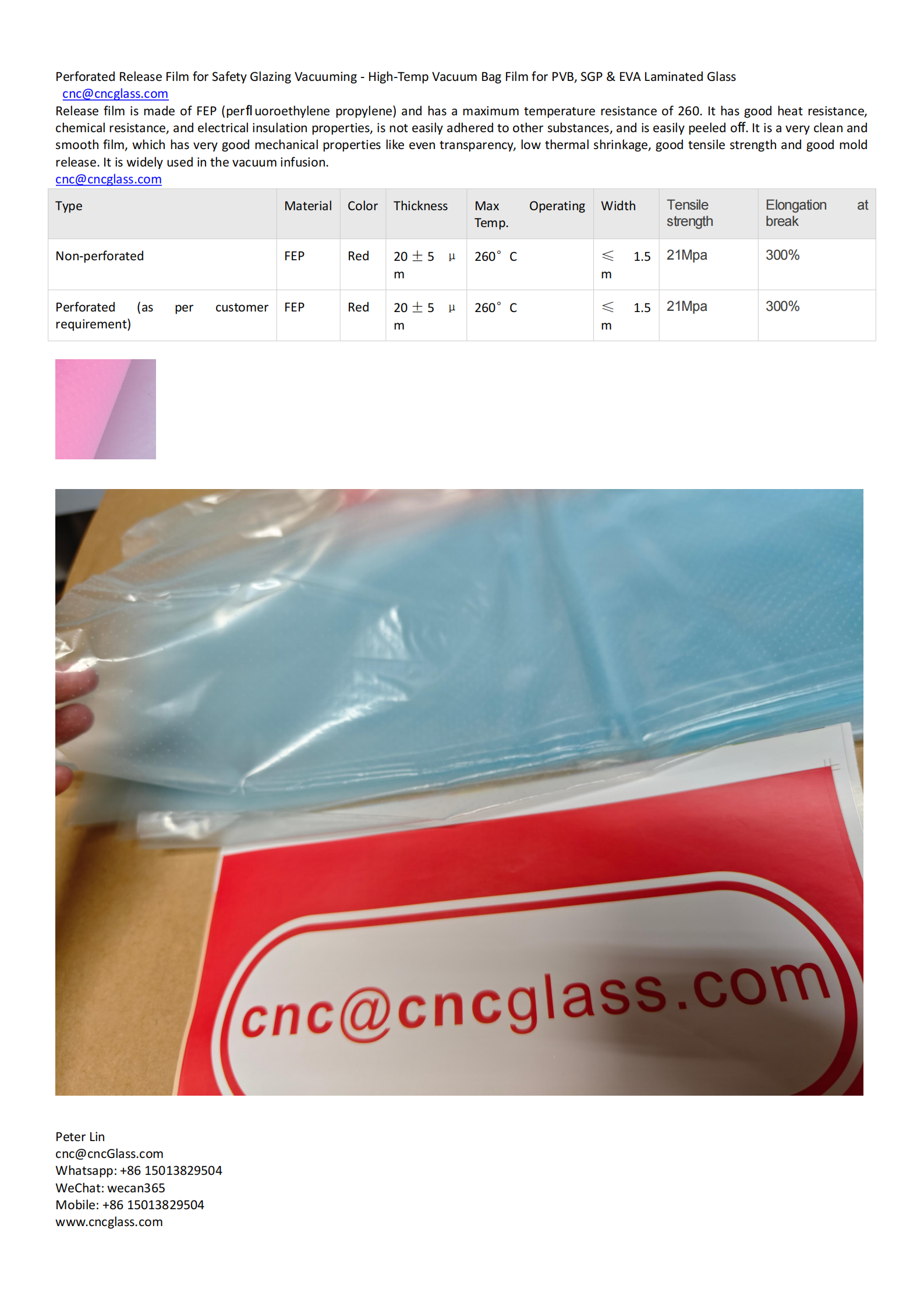
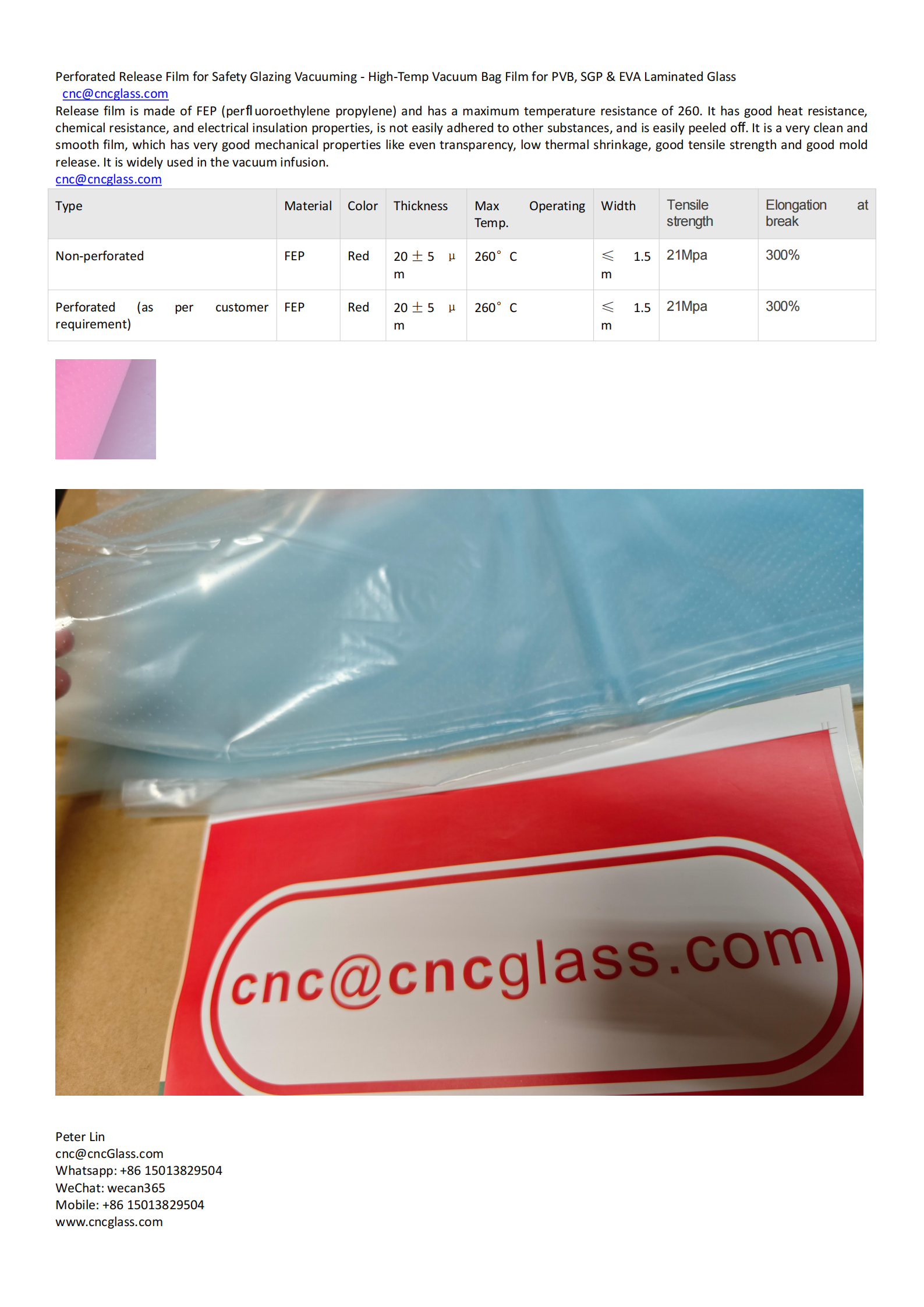
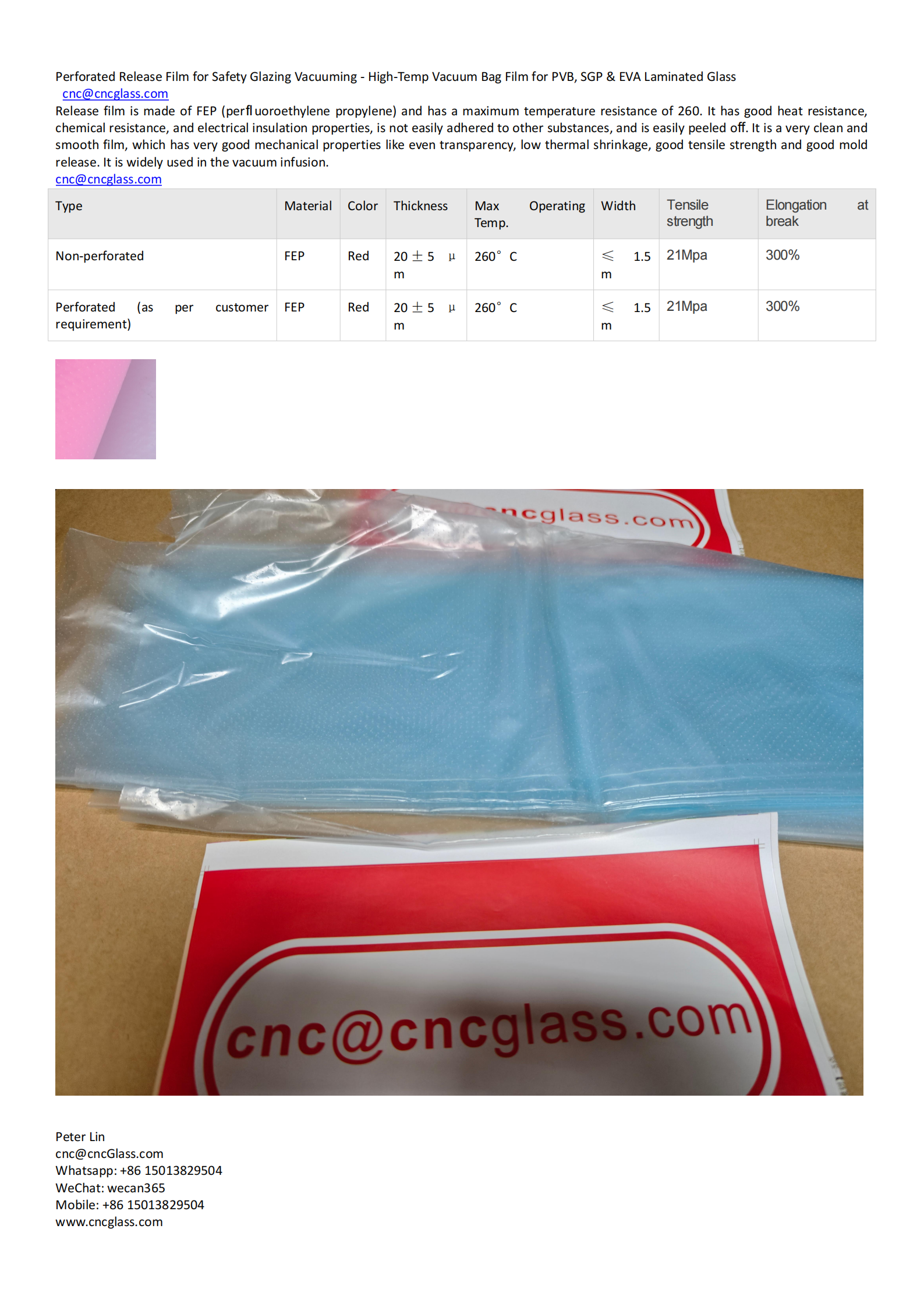
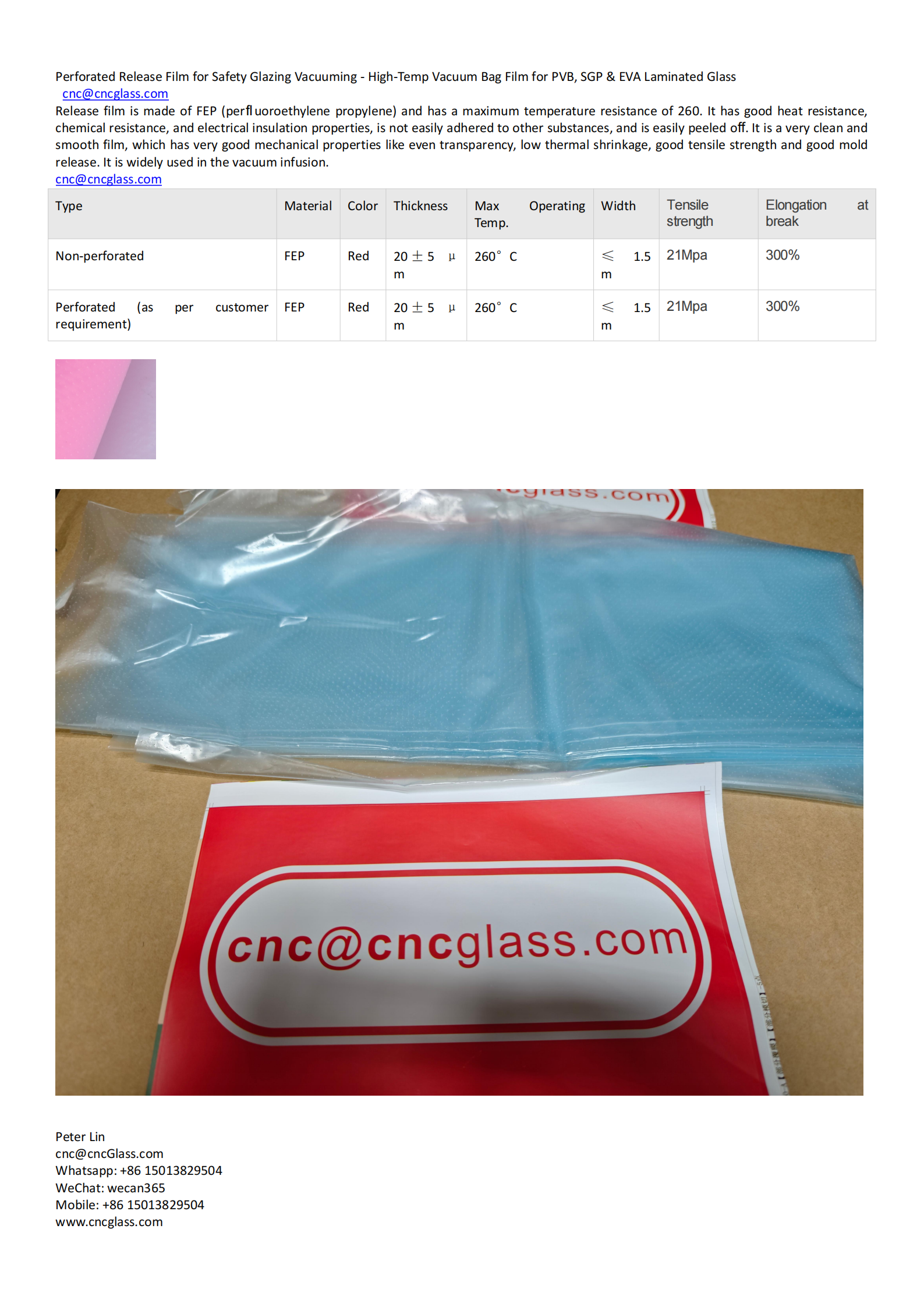
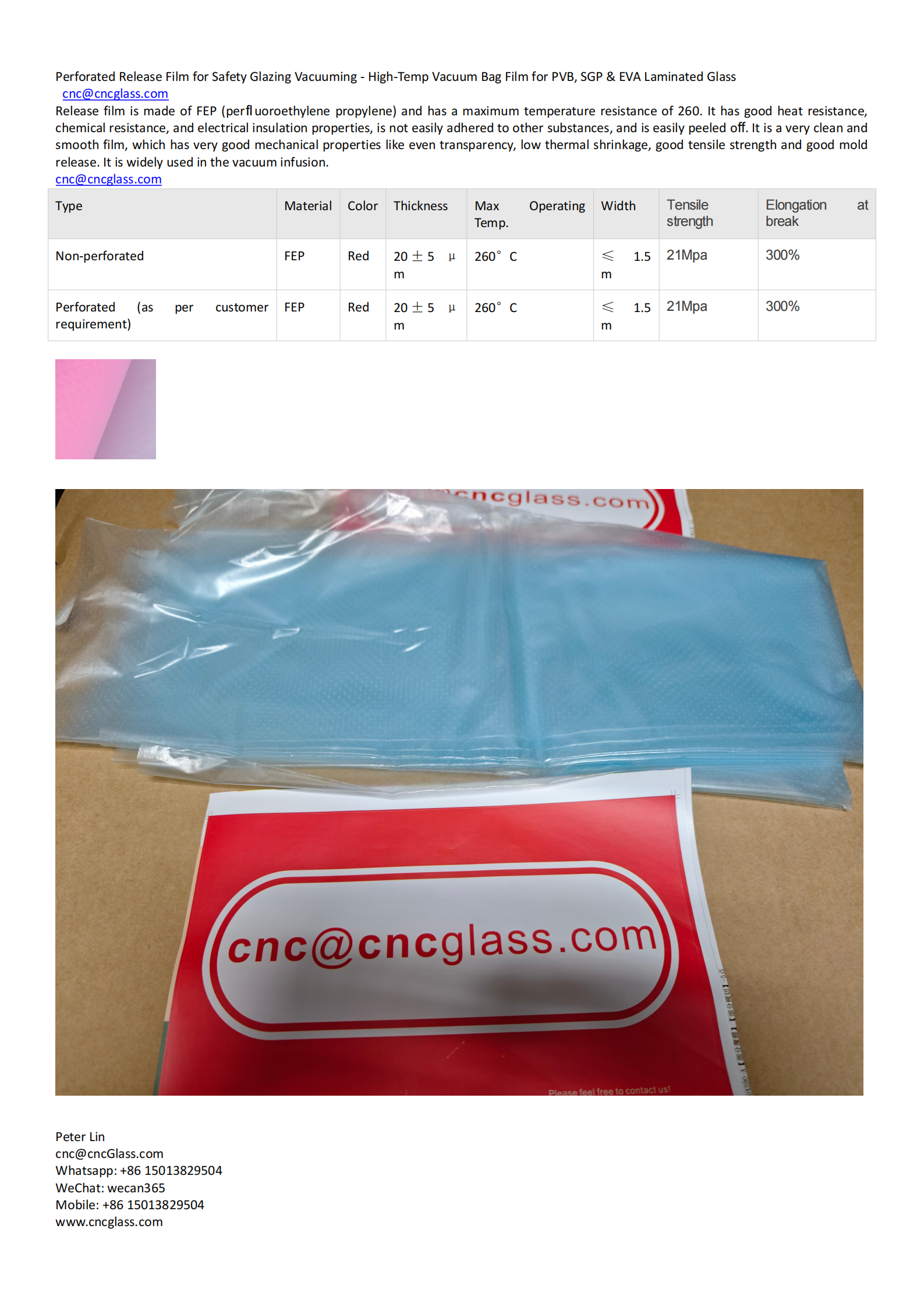
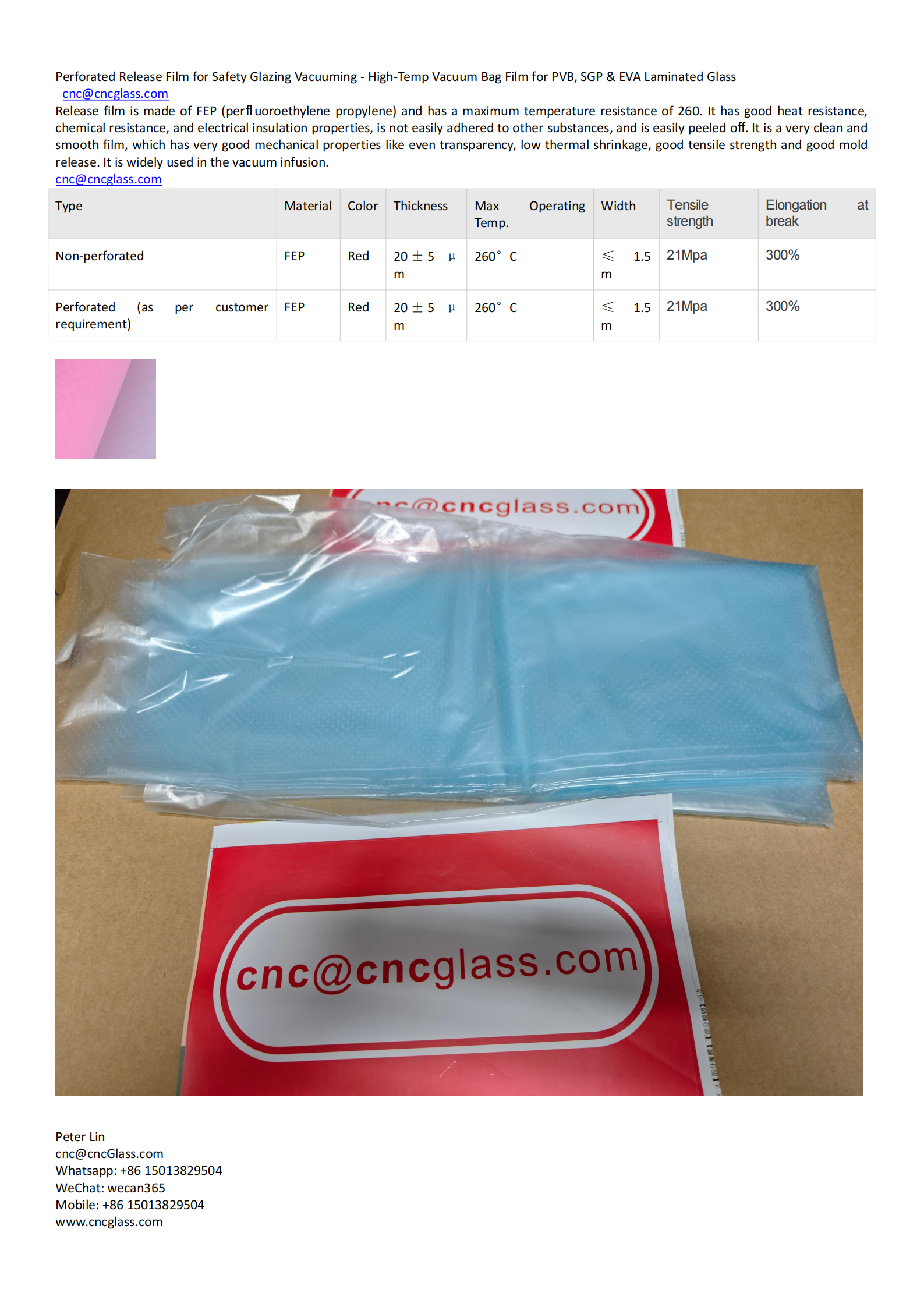
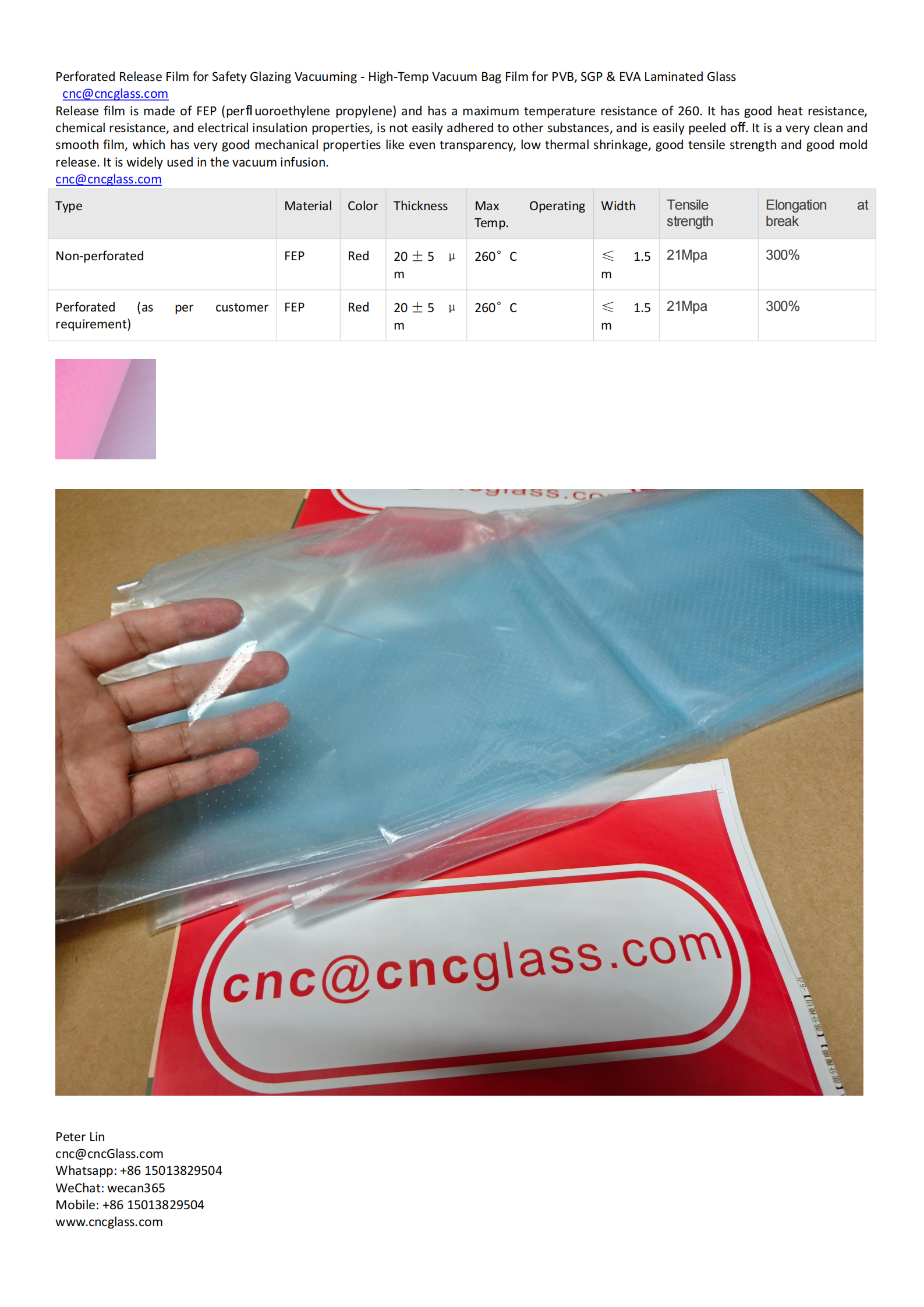
High Temperature Perforated Release Film for Glass Lamination Vacuuming – Non-Stick Breathable Film for Safety Glazing Manufacturing